
An author may publish under a new name, maintain several pen names for different genres, or change the name used publicly after a personal or professional transition. For readers, this can make a familiar writer appear to have stopped publishing even though new books continue under another identity.
A similar writing style is not enough to prove that two names belong to the same person. Prose, themes, cover design, and marketing language can resemble one another by coincidence or because several authors work with the same editor or publisher.
The safest approach is to follow confirmed links provided by the author, publisher, retailer, or library catalog. When an author intentionally keeps a pen name separate, readers should respect that choice rather than attempting to expose a private legal identity.
Quickest Ways to Find Previous Works and New Releases When an Author Changes Pen Names
Begin with sources controlled by the author or publisher. These are more reliable than theories based on writing style or anonymous forum posts.
Check the “Also Known As” Section on Book Platforms
Goodreads may connect books published under different forms of an author’s name, but there is no guarantee that every profile will contain a visible “Also Known As” field.
Goodreads relies partly on librarians and database contributors to maintain author names and book records. Its librarian manual emphasizes that a book must be attached to the correctly spelled author profile to remain discoverable. Published authors can also claim eligible profiles through the Goodreads Author Program.
Search the old and new names separately. Then compare:
The biography on each profile.
Book titles and series pages.
Publisher and publication dates.
Official website or social media links.
Author photographs and verified profile badges.
A database connection is a useful lead, not conclusive proof. Profiles can be incomplete, mistakenly merged, or divided when two different writers use similar names.
Research Publisher Imprints and Catalogs
Search the author’s old publisher, new publisher, and specific imprint. Publisher biographies and acquisition announcements may state that a writer previously published under another name.
Useful searches include:
“new pen name” “previously wrote as”
“old author name” “new author name”
site:publisher.com “author name”
Check the copyright page, publisher catalog, press release, author interview, and official book description. A publisher statement such as “the author previously wrote as…” provides much stronger evidence than a retailer recommendation or reader theory.
Do not assume that two books share an author merely because they have the same publisher, editor, cover artist, or genre. Publishers often use similar design and marketing styles across an imprint.
Search Tips for Amazon, Author Central, and Book Identifiers (ASIN/ISBN)
Amazon can help readers locate books sold under a known author name, but it should not be treated as a complete identity registry.
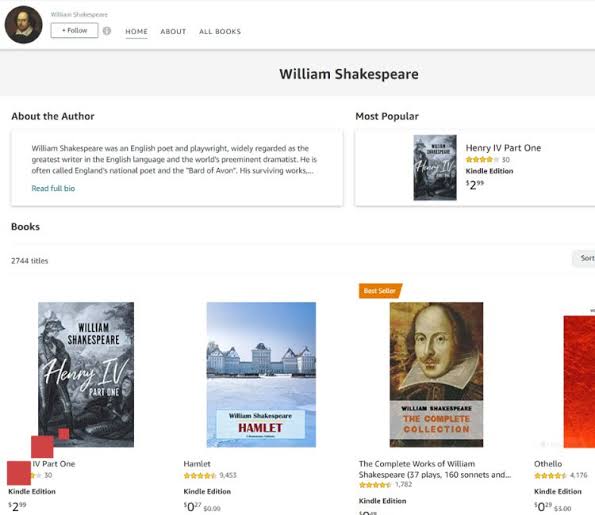
Leverage Amazon Author Central
Amazon Author Central allows authors to claim and manage an Author Profile associated with their books. Amazon does not automatically reveal that two pen names belong to the same account. The connection normally becomes visible only when the author or publisher chooses to disclose it through a biography, author page, or book description.
Amazon KDP permits writers to publish using a pen name while requiring the legal name to remain in the private identity section of the publishing account. That private account information is not displayed to readers.
On Amazon, review:
The author biography.
Other books displayed on the Author Page.
Series pages and reading order.
Publisher information.
Editorial reviews.
Official website links.
A series page can group related volumes, but it does not prove that unrelated names belong to one writer. Retail metadata may also contain duplicate authors, incorrectly linked editions, or books attributed to the wrong profile.
Trace via International Standard Book Numbers (ISBN) and ASIN
An ISBN identifies a particular book product, edition, format, and publisher. Hardcover, paperback, revised edition, and e-book formats may require separate ISBNs. It identifies the publication rather than serving as a permanent personal identifier for its author.
Search an ISBN in a national library catalog, WorldCat, the publisher’s database, or a bookseller. The result may reveal:
Alternate title forms.
Edition and format.
Publisher or imprint.
Contributors.
Publication country and date.
Related editions.
An ISBN does not normally reveal an author’s private legal name. It may list only the pen name supplied in the publication metadata.
An ASIN is an Amazon catalog identifier. It can help locate the exact Amazon listing, but it is not an international author identifier and does not independently connect multiple pseudonyms.
Looking Up Works on Academic Databases and Library Catalogs (Scopus, Google Scholar, ORCID)
Academic name changes are often easier to track when the researcher has maintained a persistent identifier or public profile.
| Research Platform | Primary Target Audience | Detection & Tracking Mechanism |
|---|---|---|
| ORCID | Researchers, academics, and scholarly authors | Uses a persistent 16-digit identifier that the researcher can connect to publications, affiliations, and name variants |
| Google Scholar | Authors of scholarly articles, books, theses, and conference papers | Public profiles can group works added automatically or manually under several name forms |
| Scopus | Authors whose publications are indexed in Scopus | Author profiles organize indexed documents using publication and affiliation metadata |
| Library Authority Records | Fiction, nonfiction, academic, and historical authors | May connect authorized names, former names, and publicly documented pseudonyms |
ORCID is particularly useful because the identifier remains the same when a researcher’s displayed name changes. ORCID allows users to record additional names, but profile visibility is controlled by the account holder, and the publication list is not necessarily complete.
Google Scholar states that authors publishing under several names may need to search those variants when building their profiles. Profiles can be updated automatically or maintained manually, so an entry should be compared with affiliations, co-authors, subjects, and publication links.
Library authority records can connect different names when the relationship is publicly documented. The Library of Congress Name Authority system supports standardized names and cross-references for former names and pseudonyms. It also recognizes privacy concerns and may avoid publicly connecting identities when the author requests that they remain separate.
Identifying Pen Name Changes on Copyright Pages and Publication Records
Copyright information can provide useful clues, but it is not an infallible way to discover an author’s legal identity.
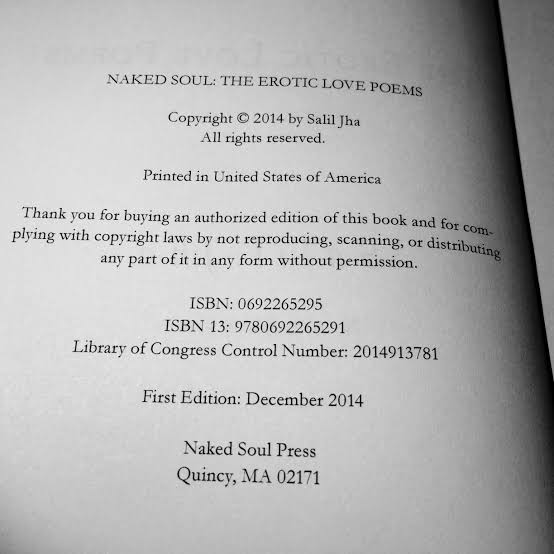
Inspect the Copyright Page
The copyright page commonly appears behind the title page, although its exact location varies.
Check for:
Copyright owner.
Publisher and imprint.
ISBN.
Edition statement.
Illustrator or translator.
Library cataloging information.
Rights and permissions contact.
The name in a copyright notice is the copyright owner, which may be the author, a pen name, a company, an estate, or another rights holder. It should not automatically be interpreted as the author’s legal name.
Copyright notices are also not mandatory for modern US works. Their presence can help identify the rights holder, but their absence does not mean that the work lacks copyright protection.
Search the US Copyright Office Database
Copyright registration in the United States is generally voluntary. Copyright exists once an original work is fixed in a tangible medium, although registration provides important legal benefits. A commercially published book therefore may not have a searchable registration record.
A registration for a pseudonymous work does not have to disclose the author’s legal name. The Copyright Office permits an applicant to identify the work as pseudonymous and omit the real name from the public record.
When a record exists, search by title, pen name, claimant, registration number, and publication year. The record may identify a publisher or rights owner without confirming the private identity behind the pen name.
Copyright records should therefore be used to verify publication and ownership information, not as a guaranteed method of unmasking an author.
Tracking Author Traces via Social Media, Email Newsletters, and Community Platforms
Subscribe to the Author’s Email Newsletter: An author who wants readers to follow a new identity may announce the change through an existing mailing list. Search old messages for phrases such as “new pen name,” “writing as,” or “my new series.”
Check Official Social Media Bios: Review the author’s verified website, publisher page, Linktree, Instagram, Facebook, X, or other official account. Look for a direct statement connecting the two names.
Review New-Release Pages: Retailer preorders, publisher catalogs, library acquisition lists, and author newsletters can reveal new titles before reader databases are updated.
Participate in Community Forums: Reader discussions can point toward interviews, archived publisher pages, or official announcements. Treat unsupported claims as speculation. Repetition across several forums does not turn a rumor into verified evidence.
Do not publicly accuse two writers of being the same person based on prose style, photographs, personal details, or perceived similarities. A pen name may protect safety, employment, family privacy, or separation between audiences.
An author’s publishing trail is easiest to follow when the author has publicly connected the names.
Quick Check: Search both names on Goodreads, Amazon, publisher catalogs, and the author’s official website.
Publication Tracking: Use ISBNs to locate editions and publisher metadata, not to uncover a legal identity.
Academic Tracking: Search ORCID, Google Scholar, Scopus, institutional pages, and co-author records.
Library Research: Review WorldCat and Library of Congress authority references for publicly documented alternate names.
Legal Records: Treat copyright pages and registration records as ownership sources rather than guaranteed disclosures of a real name.
Community Verification: Use reader discussions to locate primary evidence, then verify the connection through an author, publisher, library, or official record.
Once a connection is confirmed, follow the new author page, publisher newsletter, series listing, or release alert. This is more reliable than depending on retailer algorithms, which may fail to connect books published under intentionally separate identities.