
Digital assets now exist in far more places than traditional bank accounts. Store credits, marketplace balances, mobile wallets, gaming currencies, reward points, and cryptocurrency exchanges all allow users to accumulate value without physically holding cash. While convenient, these services introduce one important reality: in many cases, you control access to the asset, but not the infrastructure that holds it.
The safest way to manage digital assets begins with understanding what you actually own, what depends on a third-party provider, and how quickly you could recover your funds if something interrupts access.

Know Which Digital Assets You Actually Control
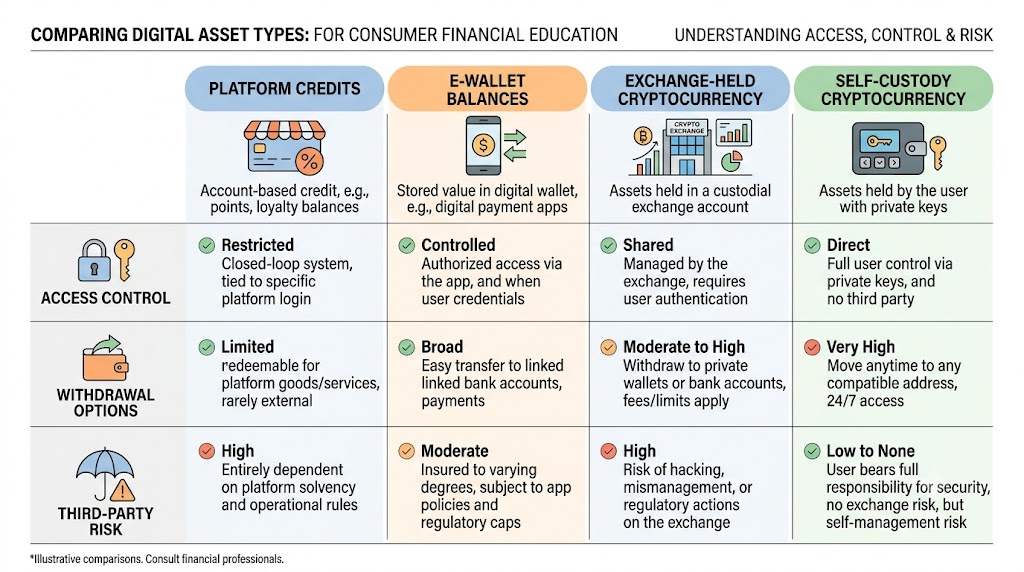
Not every digital balance represents the same level of ownership.
Platform credits, gift card balances, and in-app currencies usually function as contractual promises from the service provider. They often cannot be transferred outside the platform and may expire or become unusable if an account is closed.
E-wallet balances are generally more flexible because many providers support transfers to bank accounts or other users. However, those transfers often depend on identity verification, regional regulations, and the provider remaining operational.
Cryptocurrency introduces another distinction. Coins stored in your own wallet are controlled by your private keys, while coins left on an exchange remain under the exchange’s custody until withdrawn. That difference affects who controls access if technical problems, policy changes, or security incidents occur. Public authorities have long noted that custodial service providers can become a source of operational and legal risk if customer access is disrupted.
A simple rule helps avoid confusion:
| Asset Type | Who Controls Access? | Typical Long-Term Strategy |
|---|---|---|
| Platform credits | Platform | Spend before large balances accumulate |
| E-wallet balance | Provider with user authentication | Keep working balances only |
| Exchange crypto | Exchange | Withdraw long-term holdings to self-custody if appropriate |
| Self-custody crypto wallet | You | Protect recovery phrase and backups carefully |
Understanding this distinction makes every later decision easier.
Evaluate the Risks Before Your Balance Becomes a Problem
Most digital asset losses are not caused by hacking alone. Operational issues often prevent people from accessing money they legitimately own.
Before storing significant value inside any service, review several practical questions:
- Can you withdraw funds whenever you want?
- Is identity verification required before withdrawals?
- Does the platform impose minimum withdrawal amounts or fees?
- Can credits expire?
- Does the provider have a history of freezing accounts during security reviews?
- Are recovery options available if you lose access to your email or phone?
These questions matter because operational restrictions frequently appear only when users attempt to withdraw funds.
Security deserves equal attention. Enable multi-factor authentication, maintain updated recovery information, and securely store backup codes instead of relying only on SMS verification. Academic research consistently identifies secure storage, diversified custody, backup procedures, and due diligence when choosing providers as core risk-reduction practices.
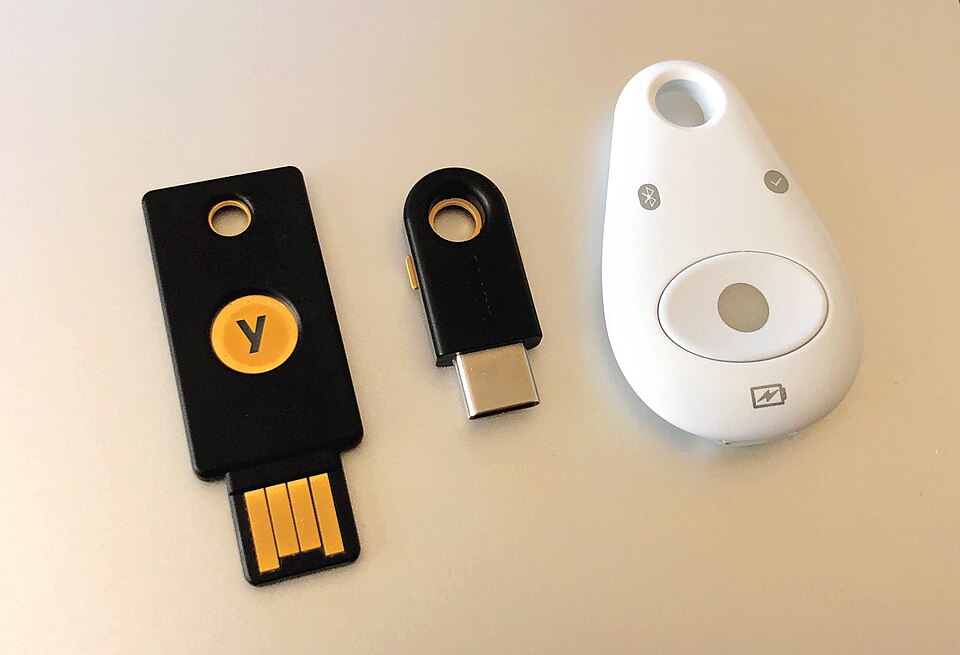
Avoid concentrating every digital asset in one service. Even reputable providers may experience outages, maintenance, regulatory changes, or temporary withdrawal suspensions.
Build a Long-Term Management Plan That Reduces Platform Risk
Managing digital assets becomes much easier when you treat them as part of your overall financial organization rather than isolated accounts.
Start by maintaining a simple inventory containing:
- Platform name
- Asset type
- Approximate balance
- Last login date
- Recovery email
- MFA method
- Withdrawal destination
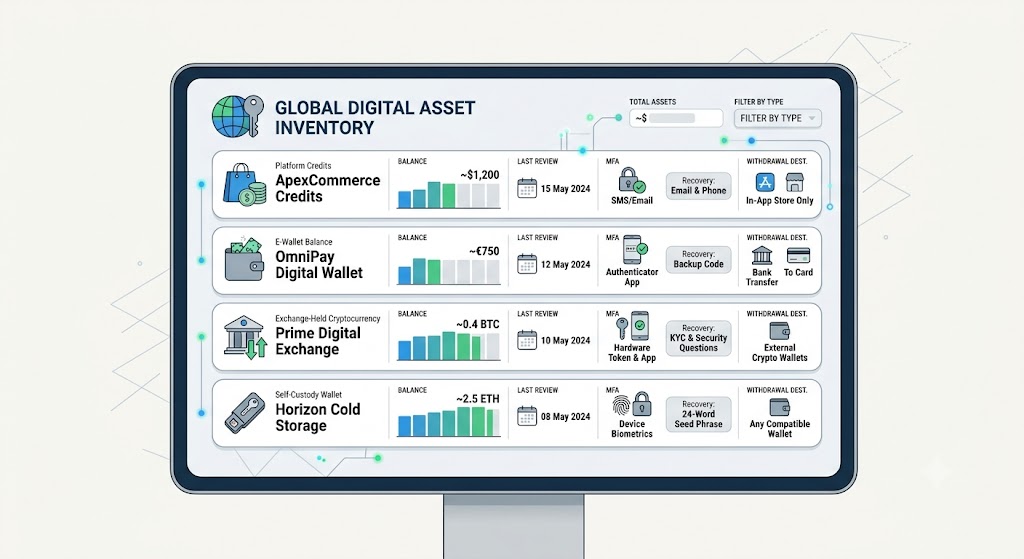
Review this inventory every few months. Small balances often remain forgotten for years, especially inside gaming platforms, shopping apps, and discontinued services.
For platform credits, avoid accumulating more value than you expect to use within a reasonable period. Promotional credits, loyalty rewards, and marketplace balances sometimes expire or become unavailable after prolonged inactivity.
For e-wallets, consider transferring excess balances back to your primary bank account whenever practical. Keeping only working balances reduces exposure if an account becomes temporarily restricted.
For cryptocurrency, your storage strategy should reflect your experience level. Active traders may need exchange liquidity, while long-term investors often reduce counterparty risk by using reputable self-custody solutions. If self-custody feels too complex, splitting holdings across multiple well-established custodians can reduce dependence on any single provider.
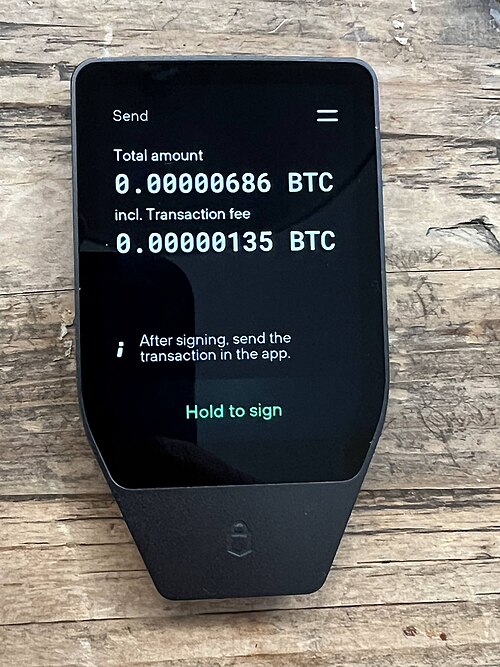
Finally, prepare for recovery before problems occur. Keep offline copies of important recovery information in secure locations, document trusted contacts if appropriate, and periodically verify that recovery methods still work. Planning ahead takes only a few minutes but can save weeks of frustration if access is interrupted.
Digital assets will continue expanding beyond traditional banking, but the same principle applies across every platform: understand who controls the asset, know how to recover access, and avoid placing unnecessary trust in a single service. A disciplined review process, diversified storage, and strong account security provide far better protection than reacting after access has already been lost.